
Christopher Nolan filmed part of The Odyssey in an occupied territory.
And there’s a production legal problem here that nobody’s talking about.
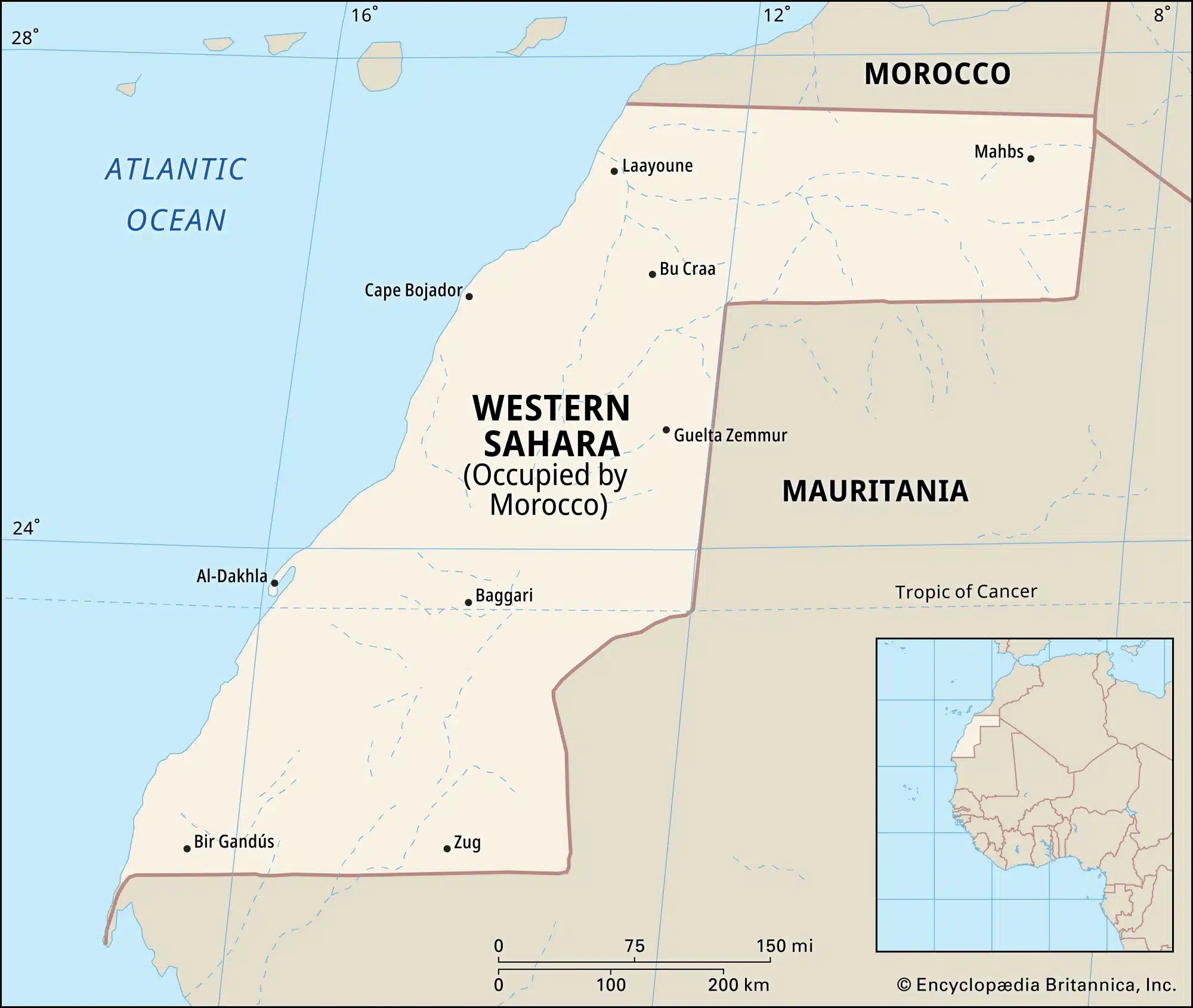
In the summer of 2025, Nolan’s production spent four days filming near Dakhla — a coastal city in Western Sahara that has been under Moroccan occupation for fifty years and is designated by the United Nations as a non-self-governing territory since 1963.
The Western Sahara International Film Festival condemned the production. Amnesty International has documented human rights abuses in the region. The story made international news.
But I’m an entertainment attorney. So here’s what I’m actually looking at.
Not the politics. Not the headlines.
The location agreement.
The Question Every Filmmaker Needs to Ask
When you film somewhere, you need a location agreement — a signed contract from whoever controls that property granting you the right to access it, film there, and use the footage in distribution.
Simple.
Until the land is disputed.
Here’s the legal issue at the center of the Odyssey situation.
Under international law, an occupying power does not have sovereignty over occupied territory. The occupation is treated as temporary. Morocco administers Western Sahara — but Morocco’s legal right to grant filming permits for that territory is contested internationally.
So when a government issues you a filming permit for territory it occupies but does not legally own under international law — how solid is that permit?
Who actually had the authority to grant it?
The Legal Issue
A filming permit is only as legally valid as the authority of the entity that issued it. When that authority is contested — under international law, by a rival government, or by a third party with an interest in the property — the permit may not give you the rights you think it does.
That uncertainty flows directly into your E&O insurance application, your financing covenants, and your distribution agreement — specifically the representations and warranties you sign saying your film carries no hidden legal or reputational exposure.
By the time Nolan’s production was publicly criticized — they had already left Dakhla. The footage was already in the can.
That’s the problem with location authority issues. You usually don’t find out until it’s too late to fix.
This Isn’t Just a Problem for $250 Million Studio Films
Nolan’s production has Universal Pictures behind it, a team of entertainment attorneys, and the resources to manage reputational and legal complexity that would sink an indie production.
Your production probably looks nothing like The Odyssey.
But the location authority question is identical at every budget level.
Here are the versions of this problem that indie filmmakers actually face:
The Property Owner Who Isn’t
You find a perfect location — an abandoned warehouse, a private residence, a commercial space. Someone who presents themselves as the owner signs your location agreement.
Later, during distribution due diligence or E&O underwriting, it emerges that the person who signed wasn’t the owner. Or was a co-owner who didn’t have the authority to bind the other owners. Or was a tenant whose lease didn’t give them sublicensing rights.
Your agreement is worthless. Your footage may be unusable. Your chain of title has a gap.
The Tenant Who Can’t Sublicense
You get a location agreement signed by the tenant of a commercial property — a restaurant, a retail store, an office. It looks right. It’s signed. You film.
The tenant’s lease says they cannot sublicense the property for commercial filming without the landlord’s consent. The landlord didn’t consent. You filmed without authority.
The Joint Owner Who Signed Alone
A couple owns a property together. One of them signs your location agreement. You film.
In most states, jointly owned property requires both owners to authorize a commercial filming arrangement. One signature doesn’t bind the other owner.
The HOA That Said No
A homeowner gives you permission to film at their house. Their HOA bylaws prohibit commercial filming without HOA approval. The HOA didn’t approve it.
The Government Body Without Jurisdiction
You film on what you believe is public land. It turns out the land has disputed ownership, i.e. federal, state, tribal, or private claims that weren’t obvious from the permit you received.
None of these situations are exotic. Every one of them happens on indie productions. And every one of them is preventable with one step: verifying the authority of the person signing your location agreement before you film.
What a Location Agreement Actually Needs to Include
Most location agreements used on indie productions are too thin. They cover the basics — access dates, maybe insurance, maybe a damage clause — but they miss the provisions that actually protect you when something goes wrong.
The single most important provision that most location agreements skip:
The Authority Representation
The grantor must represent and warrant in writing that they have the legal right to grant filming access — that they are the owner, authorized agent, or authorized representative of the property, and that the property is not subject to any restrictions, easements, or third-party claims that would affect your right to film there. Without this representation, you are taking their word for it. If their word turns out to be wrong, you have no legal recourse and no protection.
Beyond the authority representation, a production-ready location agreement must cover:
- Defined filming dates, access period, and reshoot allowances
- Rights to depict the property accurately or fictionally in the finished film
- The right to distribute, stream, and exploit the film in all media worldwide in perpetuity
- Insurance requirements — production carries General Liability, location owner named as additional insured
- Indemnification provisions protecting both parties
- Damage, repair, and restoration obligations
- Confidentiality provisions covering the media, social media, and third-party access
- Non-interference obligations during filming
Without distribution-ready language (specifically, the right to use the property’s appearance in distribution) a location owner could theoretically object to how their property appears in the finished film and seek to prevent release. This is rare. But E&O insurers look for it during underwriting, and a missing grant of distribution rights is a flag that can delay or complicate your E&O application.
When a Permit Is Not Enough
There’s an important distinction that many indie filmmakers don’t fully understand.
A filming permit from a city, county, or government body grants you permission to film in that jurisdiction. It is not a location agreement with the property owner.
In most cases, filming on a city street, in a public park, on government property, you need both. The permit from the government body, and in some cases a separate agreement governing your specific use of the space.
For private property, a government permit is irrelevant. What matters is the signed agreement with the person who controls that property and that person’s authority to sign it.
For internationally complex locations, where jurisdiction is contested, multiple governments claim authority, or where the land has a disputed political status, the permit question becomes significantly more complicated. The Nolan situation is an extreme version of a problem that has a quieter, more common form in productions that film on tribal land, in border regions, or in territories with complex ownership histories.
The answer in all of these situations is the same: before you film anywhere with any jurisdictional complexity, ask who has the legal authority to grant permission and get that answer documented in writing before you show up with a camera.
The Takeaway for Your Production
A location release is only as good as the authority behind it.
Before you film anywhere — whether it’s a private home in your city or a dramatic landscape on the other side of the world — the first question isn’t whether you can get a permit or a signature.
The first question is: does the person issuing it actually have the right to?
That question costs you nothing to ask. Getting it wrong costs you everything.
Location Agreement Resources on Thoolie
Film Location Agreement Guide
The complete guide to what location agreements must cover — including the authority verification question, location types, E&O requirements, and a full pre-shoot checklist.
→ Read the Film Location Agreement Guide
Location Agreement — Attorney-Drafted Template
Covers permission, filming dates, reshoot allowances, depiction rights, insurance, indemnification, damage and restoration, confidentiality, non-interference, and distribution-ready language — including the authority representation provision that most location agreements skip.
Get the Location Agreement