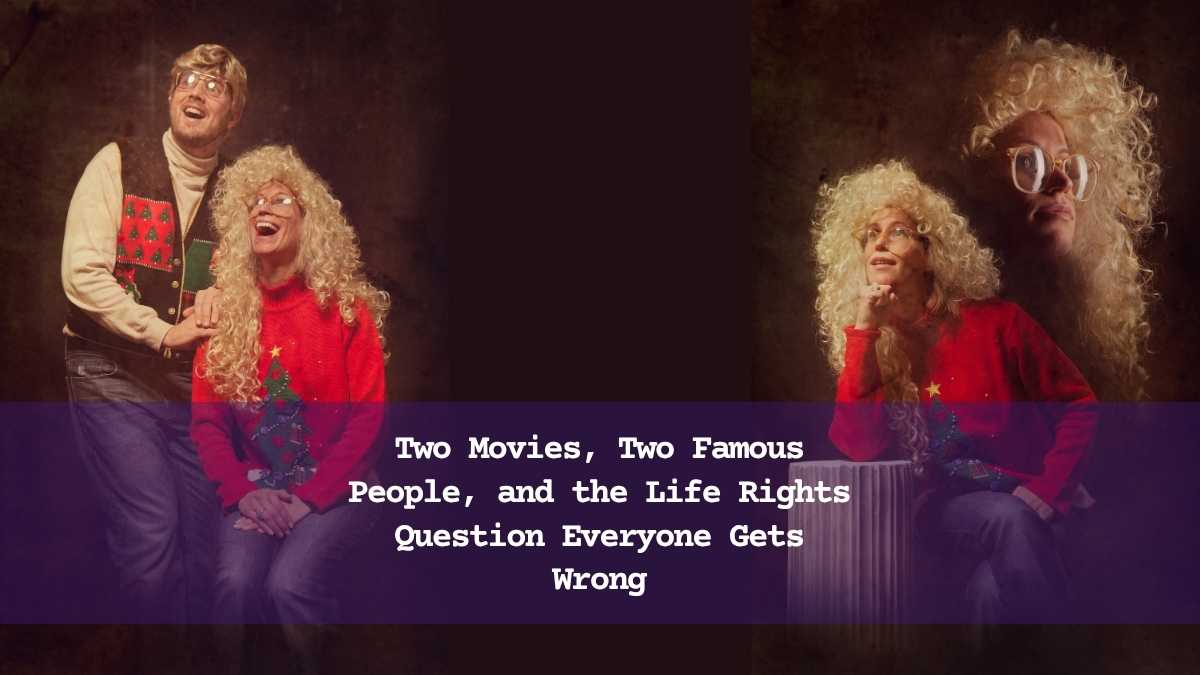
Mary-Kate and Ashley Olsen built a billion-dollar fashion empire not by saying “yes” to everything—but by protecting their time, value, and boundaries. As they’ve famously put it: “No is a sentence.”
That lesson isn’t just for Hollywood twins. It’s for every creator, filmmaker, and entrepreneur who’s ever been asked to “just do one more thing” without pay.
The truth? Vague contracts open the door to scope creep, unpaid work, and messy relationships. Clear contract boundaries do the opposite: they protect your art, your time, and your income.
Here’s how to set boundaries like a pro—and why saying “no” might be your most powerful business tool.
1. Why Contract Boundaries Matter for Creators
The Olsens didn’t become icons by bending to every request. They decided what they would—and wouldn’t—do.
As a creator, your boundaries begin with your contracts. Without them:
- Scope creep explodes — clients assume “extra” work is included.
- You lose hours to unpaid revisions and endless emails.
- Relationships strain when expectations aren’t clear.
Solid boundaries set the tone for professionalism, trust, and mutual respect.
2. Be Specific: Define Your Scope Like the Olsens Define Deals
When the Olsens sign a deal, nothing is left vague. Every deliverable, deadline, and payment term is spelled out.
Creators need the same precision. Instead of writing:
- “Film a short video” → say: “Film and deliver one 2-minute video in 4K with basic color correction.”
- “Design a logo” → say: “Provide 3 initial concepts and 2 rounds of revisions. Final files delivered in .AI and .PNG formats.”
- “Write social content” → say: “Draft 10 posts (up to 150 words each) for Instagram.”
Also add what’s excluded: “Does not include paid ad management, stock photo licensing, or additional revisions.”
Specificity doesn’t limit you—it protects you.
Want a ready-to-use agreement that protects against scope creep? Check out our Work-for-Hire Agreement template.
3. Automate Your Contracts to Make Boundaries Stick
The Olsens don’t reinvent the wheel for every deal. Neither should you.
Contract automation tools like Thoolie let you:
- Start with lawyer-drafted templates.
- Add your deliverables, exclusions, and overage fees in minutes.
- Reuse contracts across projects—without missing a detail.
When your contracts already spell it out, saying “no” is effortless.
👉 Explore Thoolie’s Creator Contracts Library
4. “No” Builds Better Client Relationships
It feels scary to tell a client no. But boundaries don’t push people away—they actually build trust.
Here’s how to frame it:
- Position it as value: “These terms make sure I can deliver on time without compromising quality.”
- Offer solutions: “That’s outside the current scope, but I can add it for $X.”
- Stay firm: “I’d love to help, but this request isn’t included in our agreement.”
The result? Clients who understand and respect you.
5. Boundaries Protect Your Bottom Line
Every unpaid hour is lost revenue. The Olsens knew their time was their most valuable resource—and so should you.
Here’s how to reinforce boundaries in every contract:
- Add overage fees for extra work.
- Limit rounds of revisions.
- Automate contracts so nothing slips through.
Clear boundaries = fewer headaches + more profit.
Final Thought: “No” Is a Creator’s Superpower
Mary-Kate and Ashley Olsen built their empire by protecting their time. You can build yours the same way.
Setting contract boundaries isn’t about being difficult. It’s about being professional, clear, and in control.
Define your scope. Automate your contracts. And remember: “No” doesn’t need an explanation. It’s a complete sentence.
Looking for more practical tools? Explore the Creator Vault for free checklists and guides.