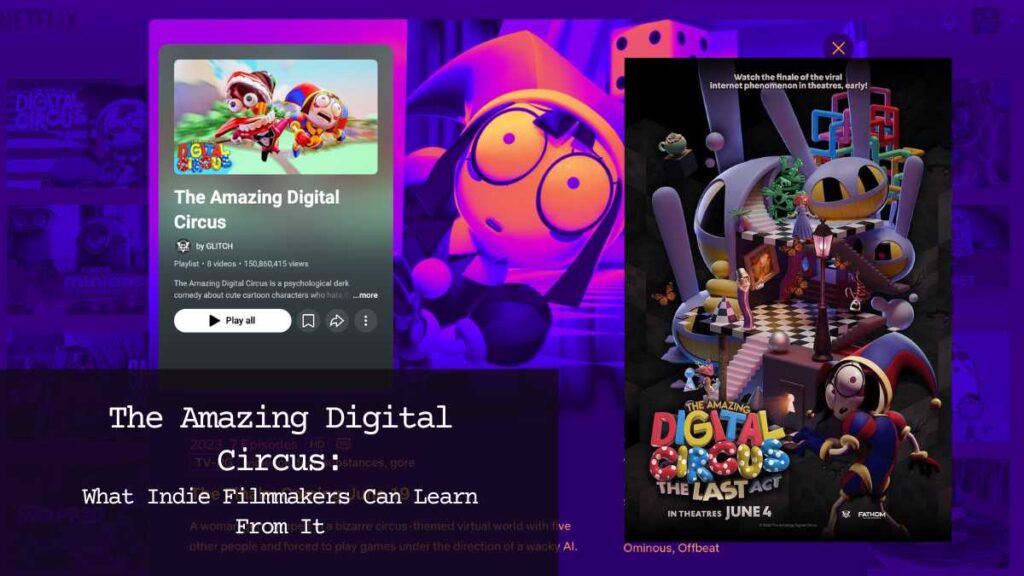

In October 2023, an independent animation studio in Sydney, Australia posted a cartoon pilot on YouTube.
No network. No development deal. No studio backing.
The pilot was The Amazing Digital Circus created by Gooseworx and produced by Glitch Productions, a studio founded by brothers Kevin and Luke Lerdwichagul.
Hundreds of millions of views later…Netflix called.
Then theaters.
Then a global toy deal.
Last week, The Amazing Digital Circus: The Last Act opened in 5,700 cinemas worldwide and earned $36.6 million in its opening weekend; making it one of the most successful independent animation theatrical releases ever.
From a free YouTube cartoon.
But this isn’t a story about going viral. Plenty of creators go viral. Most of them don’t build a studio that commands their own terms with Netflix.
This is a story about what happens when you own everything before anyone comes calling.

The Audience Is Their Greenlight
Most productions work like this: you pitch to a network or studio, they greenlight your project, they fund it, and in exchange they own most of it.
Glitch Productions works differently.
They post pilots on YouTube.
If the audience responds, they make the show. If the audience doesn’t, they don’t.
No executive notes. No development hell. No network approval required.
The audience became the development executive.
And because Glitch owned everything before the audience found them — every deal they signed after came on their own terms.
When Netflix came calling in October 2024, Glitch didn’t need Netflix to fund the show. It was already made. Already watched by hundreds of millions of people. Already beloved by a global fanbase.
So they could say yes on their terms.
Netflix licensed the show, allowing Glitch to keep releasing episodes on YouTube, independently funding every project, and retaining full creative control. According to Glitch’s own statements, Netflix has zero creative control over the series.
New episodes released on YouTube and Netflix simultaneously.
Not the other way around.
What “Owning Everything” Actually Means
Here’s what Glitch owned before Netflix, Amazon, Fathom Entertainment, or Moose Toys ever made a call:
The copyright.
Every frame of animation, every character design, every piece of original music — owned by Glitch, not by a network or a studio that funded development.
The trademark.
The Amazing Digital Circus name, logo, and character marks — protected and owned before anyone else could file first.
The characters.
Pomni, Caine, Jax, Ragatha — every character in the show is Glitch’s intellectual property. No character licensing deal happens without Glitch’s approval.
Every exploitation right across every window and every territory.
Streaming. Theatrical. Physical media. Merchandise. International. All of it started in Glitch’s hands.
That’s why when Moose Toys came calling for a global master toy deal — Glitch could say yes. Not because they got lucky. Because they had something to license.
Every deal that followed the audience’s discovery of The Amazing Digital Circus happened because Glitch already owned what the audience loved.

The Legal Structure Behind the Story
For indie filmmakers, the lesson here isn’t about animation specifically. It’s about the legal infrastructure that made this outcome possible.
Work-for-hire agreements.
Every animator, composer, voice actor, and crew member who contributed to The Amazing Digital Circus did so under agreements that vest ownership of their work in Glitch Productions. Without those agreements, every contributor could potentially claim a piece of the intellectual property.
This is the foundation of chain of title — and it starts before frame one of production.
Copyright ownership.
Glitch didn’t just create the show. They ensured the copyright was properly owned and documented before any distribution deal was signed. A distributor, a theatrical partner, or a toy company cannot license what they cannot verify you own.
An entity structure that protects the IP.
Glitch Productions operates as a company — not as individual creators making informal arrangements. The intellectual property lives inside a properly structured entity, which means it can be licensed, protected, and built upon across multiple projects without the rights becoming tangled in personal disputes.
This matters for indie filmmakers at every budget level. Whether you’re making a $50,000 short or a $750,000 feature — the work-for-hire agreements you sign with your crew and cast, the copyright you register for your screenplay and finished film, and the entity structure you put in place before production begins are what determine whether you have anything to license when someone comes calling.
What Most Indie Filmmakers Get Wrong
The most common mistake in independent film isn’t a bad script. It’s assuming that because you made something, you own it.
You don’t automatically own contributions made by your director of photography, your composer, your editor, or your visual effects artist. Without a signed work-for-hire agreement or copyright assignment, those contributors may have a legal claim to ownership of their work — which means you may not have a clean chain of title to deliver to a distributor.
Glitch didn’t build a studio that answers to nobody by accident. They built it by making sure, from the beginning, that they owned what they created.
The filmmakers who end up negotiating from desperation — accepting whatever terms a distributor offers — are usually the ones who didn’t lock down their rights before the audience found them.
The filmmakers who negotiate from strength are the ones who did.
The Thoolie Takeaway
You don’t need a network to build an audience anymore.
But you do need to own what you create before the audience finds it.
Because once they find it — everyone else will too.
Three things to have in place before you post, pitch, or premiere:
1. Work-for-hire agreements with every contributor.
Every crew member, cast member, composer, and animator who contributes creative work to your project needs a signed work-for-hire agreement or copyright assignment before they start work. Not after. Not during. Before.
→ Work-for-Hire Agreement — attorney-drafted template
2. A clear understanding of who owns the rights.
Chain of title isn’t just a distribution requirement. It’s the foundation of every deal you’ll ever sign. Know who owns what — and document it — from day one.
→ Who Owns the Rights to a Film? — complete guide
3. An LLC operating agreement that defines ownership before money moves.
If you’re making a film with a partner, a co-producer, or an investor — the operating agreement is what defines who owns what percentage of the production entity and how decisions get made. Without it, ownership disputes are resolved by state law — not by what you intended.
→ Operating Agreement (Film LLC) — attorney-drafted template
Glitch Productions didn’t get lucky.
They built infrastructure before the audience arrived.
When Netflix called, they already had the answer.
The question for your production is: if someone called tomorrow, would you?